


.png)
Why PTFE Is the Preferred Material for Harsh Chemical Environments?

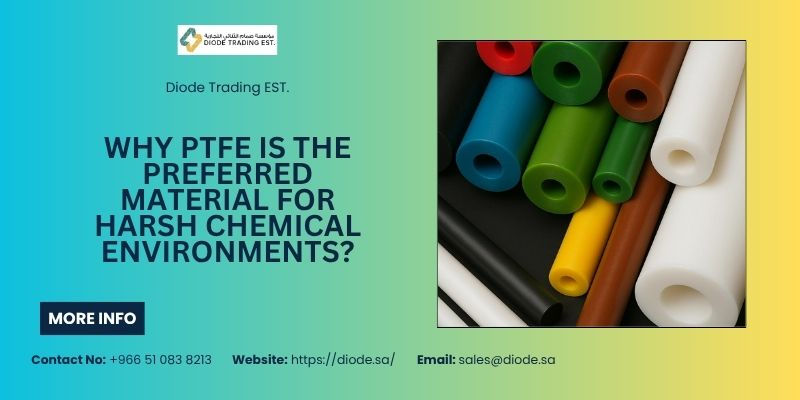
PTFE is the preferred material for harsh chemical environments because it combines exceptional chemical resistance, high-temperature stability, low friction, and long-term durability. These properties allow it to perform reliably in industries where acids, alkalis, solvents, and corrosive chemicals can quickly damage conventional materials. For businesses in Saudi Arabia, choosing high-quality PTFE components helps improve operational safety, reduce maintenance, and extend equipment life.
Industries looking for dependable virgin PTFE sheets rods tubes Saudi Arabia often prioritize PTFE because it delivers consistent performance in demanding industrial conditions. Whether used in chemical processing plants, refineries, desalination facilities, or manufacturing units, PTFE offers a level of reliability that few engineering materials can match.
What Is PTFE?
Definition: Polytetrafluoroethylene (PTFE) is a high-performance fluoropolymer engineered to withstand aggressive chemicals, extreme temperatures, moisture, and wear. It is chemically inert, meaning it reacts with very few substances, making it ideal for applications where contamination or corrosion must be avoided.
Unlike conventional plastics that degrade when exposed to harsh industrial chemicals, PTFE maintains its structure and performance over long periods, even under continuous operation.
Why Does PTFE Perform So Well in Harsh Chemical Environments?
The answer lies in its unique molecular structure. PTFE contains one of the strongest chemical bonds found in polymers-the carbon-fluorine bond. This makes it highly resistant to chemical attack and environmental degradation.
Key advantages include:
Excellent resistance to strong acids, alkalis, and solvents
Outstanding thermal stability across a broad temperature range
Very low coefficient of friction
Non-stick surface that minimizes product buildup
Excellent electrical insulation properties
Minimal moisture absorption
Long operational lifespan with limited maintenance
In industrial environments where equipment downtime is expensive, these characteristics provide measurable operational benefits.
How Does PTFE Resist Corrosion?
Definition: Corrosion resistance refers to a material's ability to resist deterioration when exposed to chemicals, moisture, or harsh operating conditions.
PTFE is practically unaffected by most industrial chemicals because it does not react with them under normal operating conditions. This makes it an excellent choice for pipelines, gaskets, seals, valve seats, tanks, and process equipment that regularly handle corrosive substances.
For industries in Saudi Arabia dealing with sulfuric acid, hydrochloric acid, caustic soda, or aggressive cleaning chemicals, PTFE offers long-term protection that significantly reduces replacement costs.
Industries in Saudi Arabia That Depend on PTFE
Saudi Arabia's industrial sector operates in challenging environments where high temperatures and corrosive chemicals are common. PTFE has become a trusted engineering material across several sectors.
Oil and gas production
Petrochemical processing
Chemical manufacturing
Water treatment and desalination
Food processing
Pharmaceutical manufacturing
Power generation
Industrial automation
Many companies specifically select PTFE for oil and gas Saudi Arabia because it performs reliably in pipelines, sealing systems, pumps, compressors, and processing equipment exposed to aggressive operating conditions.
How PTFE Improves Equipment Reliability?
Step 1: Prevents Chemical Damage
PTFE acts as a protective barrier against corrosive chemicals, reducing the risk of material failure.
Step 2: Reduces Wear
Its naturally low friction minimizes surface wear on moving components.
Step 3: Maintains Seal Integrity
PTFE seals and gaskets retain their performance even after prolonged chemical exposure.
Step 4: Minimizes Maintenance
Because PTFE degrades slowly, maintenance intervals become longer and replacement costs decrease.
Step 5: Supports Continuous Production
Reliable materials mean fewer unexpected shutdowns, helping facilities maintain productivity.
PTFE Compared with Conventional Materials
Many industrial materials perform well under moderate conditions but struggle in chemically aggressive environments.
Metals can corrode or oxidize.
Standard plastics often soften or crack.
Rubber components may swell or deteriorate.
PTFE remains chemically stable in most industrial applications.
This stability explains why engineers frequently specify PTFE when long-term reliability is more important than short-term material cost.
Factors to Consider When Choosing PTFE Products
Not every PTFE product is identical. Material quality, manufacturing precision, and application requirements all influence performance.
Before selecting PTFE components, evaluate:
Chemical compatibility
Operating temperature
Pressure requirements
Mechanical load
Component dimensions and tolerances
Compliance with industry standards
Choosing the correct grade of PTFE ensures maximum service life while reducing maintenance expenses.
Businesses interested in improving production reliability should also review How to Optimize Your Manufacturing Operations for Maximum Efficiency?, which explores broader strategies for improving industrial performance.
Additional Benefits Beyond Chemical Resistance
Although PTFE is widely recognized for chemical resistance, its value extends further.
Excellent UV resistance for outdoor installations
High dielectric strength for electrical applications
Food-grade compatibility in suitable formulations
Excellent dimensional stability
Long service life in demanding industrial environments
These qualities make PTFE sheets, rods, tubes, machined parts, seals, bearings, and bushings versatile solutions across numerous industrial sectors.
Frequently Asked Questions
Why is PTFE better than ordinary plastic for chemical applications?
PTFE withstands far more aggressive chemicals and higher temperatures than most engineering plastics while maintaining its physical properties.
Can PTFE handle high temperatures?
Yes. PTFE performs reliably across a wide operating temperature range, making it suitable for demanding industrial environments.
Which Saudi Arabian industries commonly use PTFE?
Oil and gas, petrochemicals, chemical processing, desalination, pharmaceuticals, food manufacturing, and power generation all extensively use PTFE components.
Does PTFE require frequent maintenance?
No. PTFE's chemical stability and wear resistance help reduce maintenance requirements and extend component life.
What PTFE products are commonly available?
Common products include PTFE sheets, rods, tubes, gaskets, seals, valve seats, bushings, bearings, and custom-machined industrial components.
Conclusion
PTFE has earned its reputation as the preferred material for harsh chemical environments because it consistently delivers where many other materials fail. Its unmatched chemical resistance, durability, thermal stability, and low-maintenance performance make it an intelligent investment for Saudi Arabian industries seeking long-term operational reliability. Selecting high-quality PTFE components today can significantly reduce maintenance costs, improve safety, and support more efficient industrial operations for years to come. Full Audio: Listen Here

Industries choose durable materials like PTFE to maintain hygiene, safety, and long-term performance in demanding environments. Similar attention to cleanliness and quality is important in the food industry, where people searching for Tim Hortons Near Me often expect a clean, reliable, and consistent dining experience.